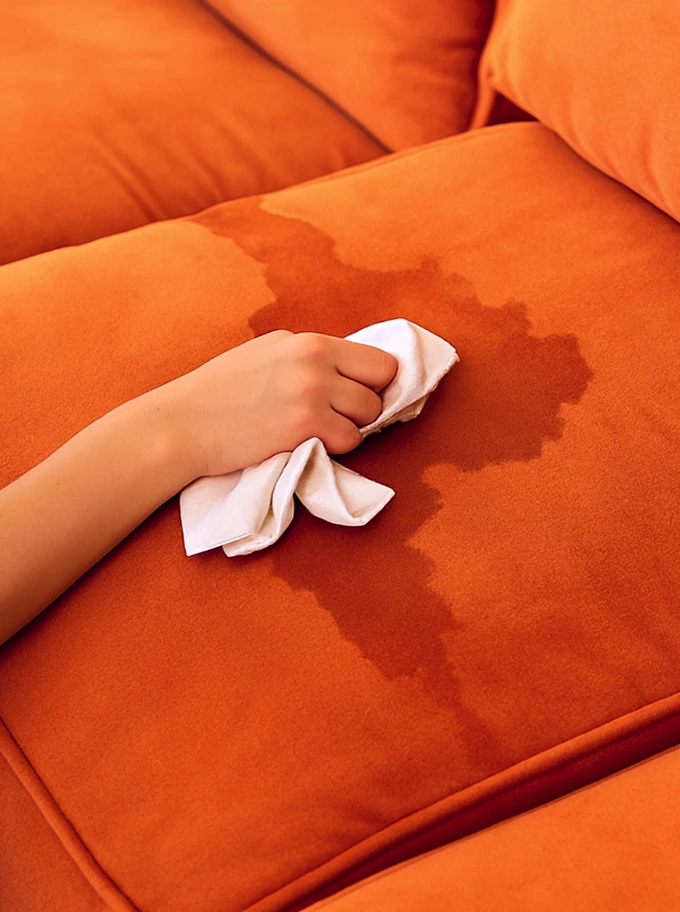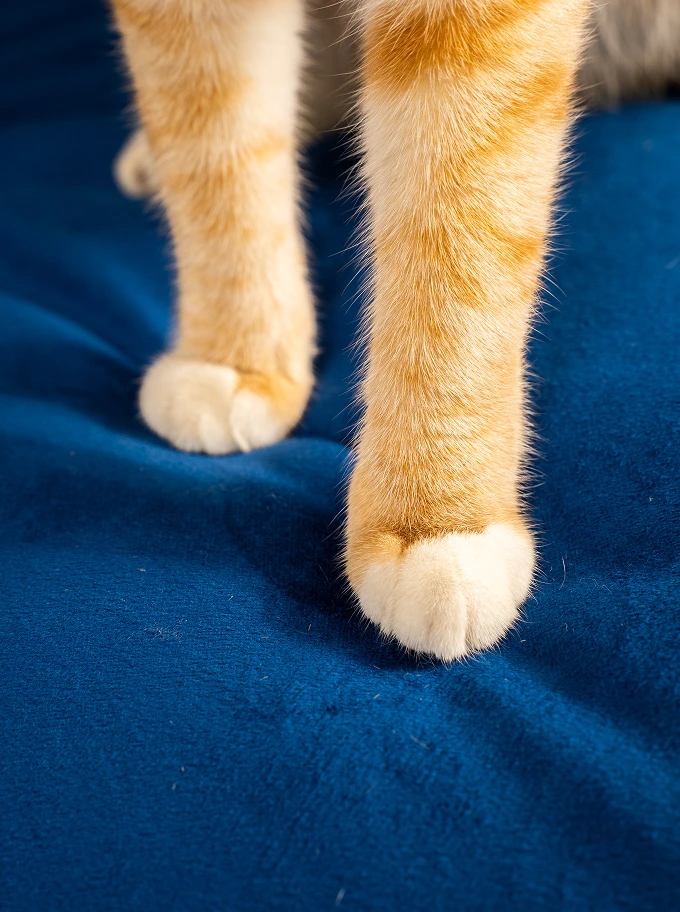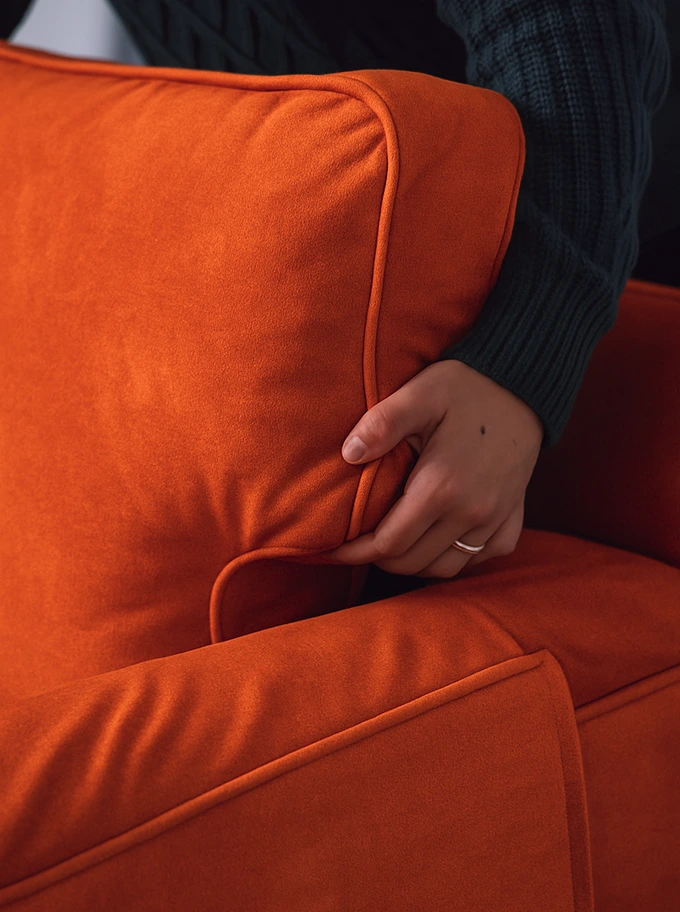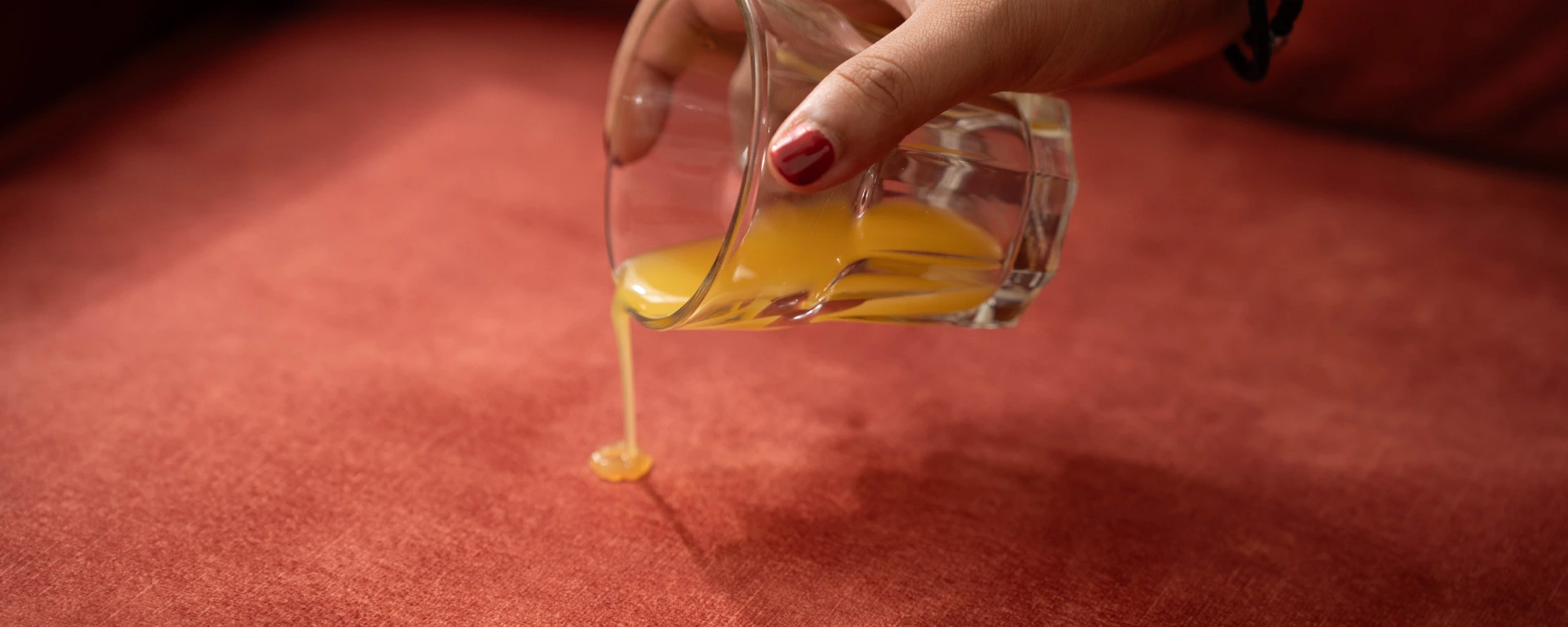
Before telling you how to clean your couch, we should probably have a look at the kind of mess we’re dealing with. A study found that a sofa experiences an average of 316 drink spills in its lifetime. Think everything from baby formula and juice from a sippy cup to your morning coffee mishap and Friday night red wine stumble. Your sofa is there, taking in the spills and stains as you navigate life.
There’s a reason the cliché line “don’t cry over spilt milk” hits home. Spills are inevitable. They are a part of life. So why stress? Here at Comfort Works, we want to help you get to that stress-free mindset. So we put our innovation hats on and got to work.
“We understand that spills happen in an everyday household, and we know that our couch covers can be washed,” says Junior Product Manager Joe. “But if the liquid goes through the covers and stains the cushions, that will be difficult to clean.
“That’s why we want to stop the spill from penetrating into the covers before it gets absorbed. It’s for people that want to feel confident with their sofas and live carefree.”
And so our liquid-repellent couch covers were born.
Waterproof, water-resistant, liquid-repellent: What’s the real difference?
Let’s get one thing clear: water-resistant couch cover doesn’t mean waterproof. Our covers won’t turn your sofa into a submarine, but they will buy you time when life gets messy. These terms get thrown around a lot, sometimes even interchangeably. But they’re not the same, and knowing the difference can help you make the right choice for your home.
Here’s what these terms really mean:
Waterproof
“Waterproof fabric is designed to prevent water from passing through,” explains Joe. “It becomes a barrier to completely prevent water from penetrating.” Think rain jackets or tarps. Great for outdoor gear, not so great for something you want to sit on. Waterproof materials often feel stiff, plastic-y or non-breathable. It’s not exactly cosy.
Water-resistant
Couch covers with water resistance can resist moisture to a degree. They won’t let liquid soak in right away, but they’re not fully sealed off. “Water-resistant refers to fabric that has the properties of tight fabric weave that makes lower water absorption and at a slower rate,” he adds. “Resistant is also a very common word and there is no benchmark on resistance properties, so it can be misleading on how strong the protection is.”
Liquid-repellent
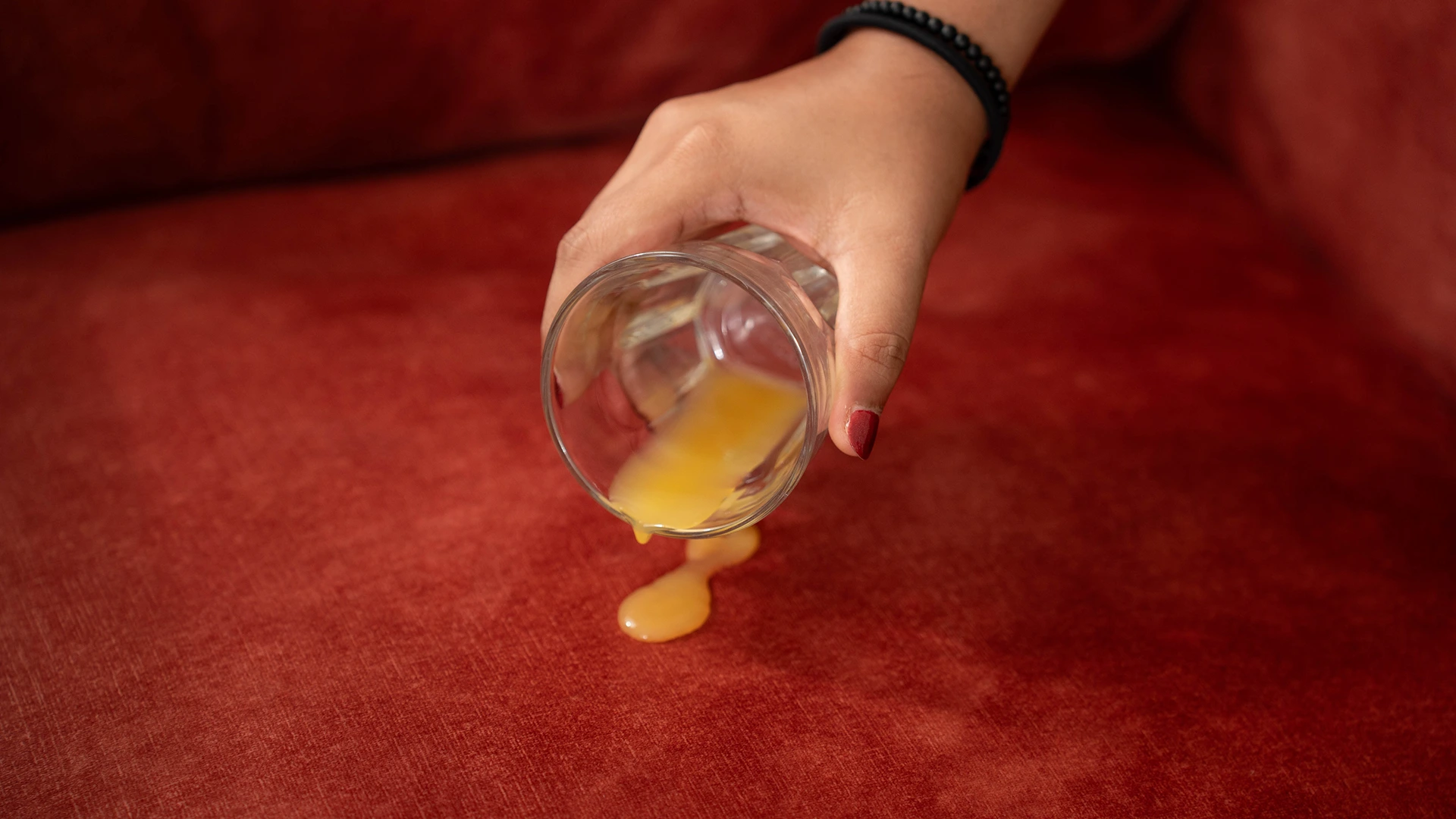
“The term ‘repellent’ refers to a coating or treatment that has been done on the fabric to make water bead up and roll off the surface, which makes cleaning easier,” says Joe. This is where Comfort Works comes in.
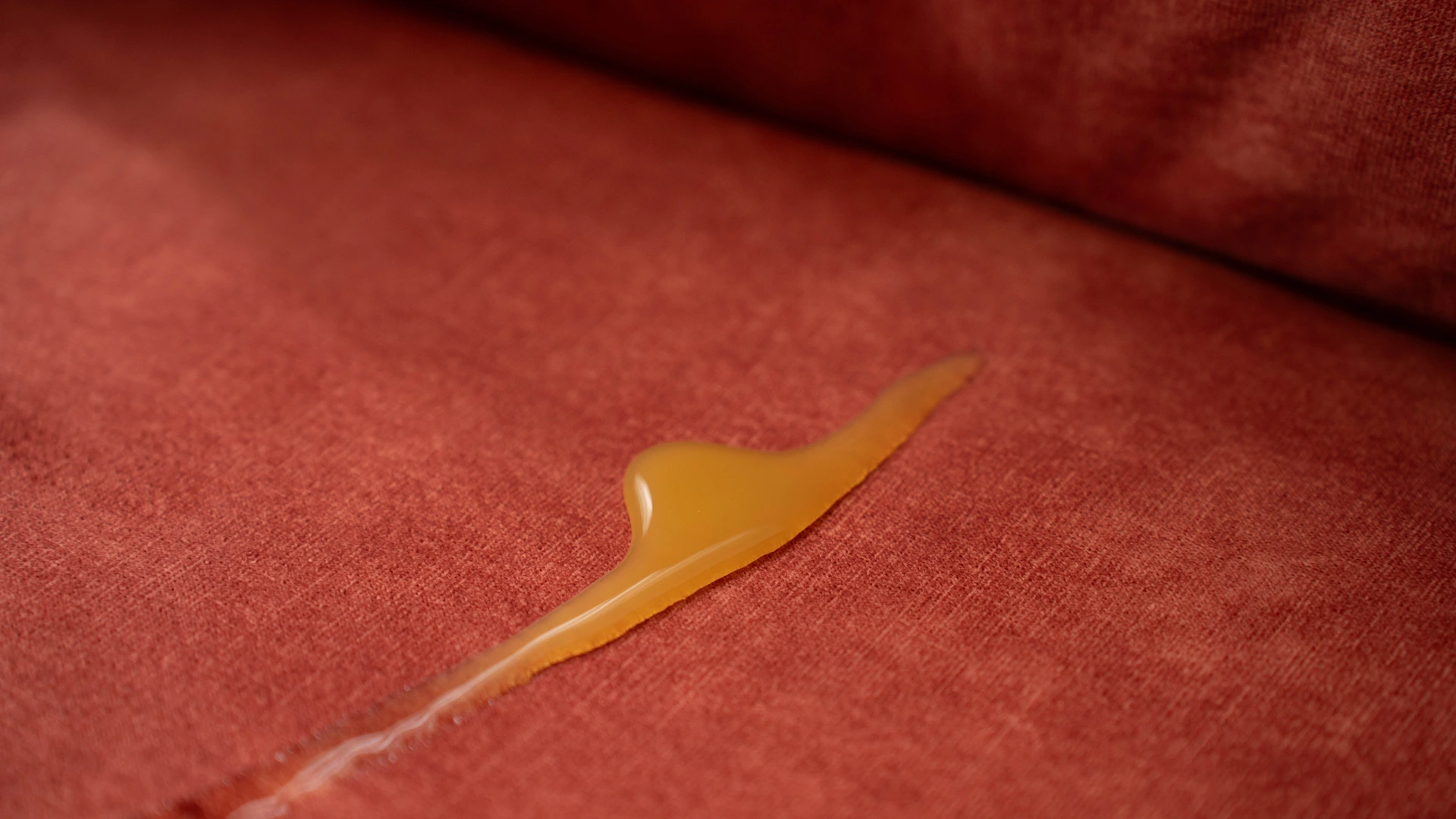
Our EzGuard™ technology is a liquid-repellent coating applied to the fabric. It causes liquids to bead up on the surface so you can wipe spills away before they seep in. It’s a form of water resistance, but designed specifically for real-life messes like drinks, sauces, or pet mishaps.
So what does EzGuard actually look like in action? Let’s break down how this coating works, and why it’s a game-changer for homes where spills are just part of daily life.
EzGuard™: Liquid-repellent protection that’s family-safe
Can a couch slipcover protect against spills? Thanks to our EzGuard™ liquid-repellent coating, Comfort Works couch covers are designed to resist everyday spills like juice, coffee, wine or even the occasional pet accident. Liquids bead on the surface instead of soaking in right away, giving you time to grab a cloth and wipe it clean. But how does it work?
“We use durable water repellent (DWR) treatment coating that is applied to the outer surface of fabrics to make them repel water, causing it to bead up and roll off instead of soaking into the material,” says Joe.
There are common liquid-repellent treatments, such as C6 or C8, which we avoid because they contain PFAS or PFCs (harmful forever chemicals which harm the environment). Instead, we use C0 DWR, an eco-friendly treatment. In fact, the 0 in C0 DWR refers to the fact that it has zero-PFAs.

Why else do we avoid PFCs? “They have been linked to environmental persistence as well as potential health problems like immune system and reproductive issues,” Joe says. “Our liquid-repellent coating is safe for both the environment and your health.”
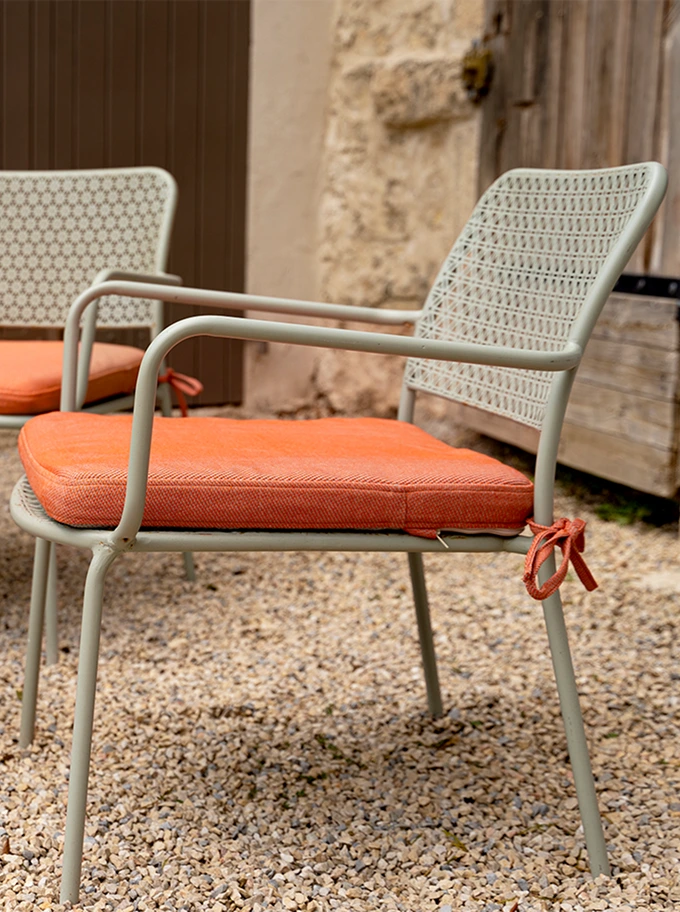
Liquid-repellent couch covers for outdoor furniture
Comfort Works even has couch covers that are suitable for outdoor use. Their liquid-repellent coating is slightly different from our indoor-fabric offering. “For outdoor fabrics, the coating is done on the yarn level, where the yarns are treated with our liquid-repellent coating first, before getting weaved into fabric,” our resident expert explains.
“This makes the resistance to liquid stronger and also lasts longer. Meanwhile, indoor-use fabrics are coated on the surface. The reason why not all our fabrics are coated at the yarn level is because that method typically makes the fabric stiffer and harder to the touch, where indoor fabric should be soft and comfy for everyday use.”
Testing our liquid-repellent couch cover fabrics
To make sure our liquid-repellent coating holds up in real homes (not just in theory), we test it using an international standard called ISO 4920:2012, a surface wetting (spray) test. Picture this: we stretch a piece of fabric nice and smooth, tilt it on an angle, then “spill” a full 250 mL of water over it from above, like a controlled drink accident. The whole splash happens in about half a minute.
Then we check what the fabric looks like straight away and give it a simple score from 0 to 100. A 100 means the surface stays completely dry (the dream). A 90 means only a little random dampness. Lower scores mean the water starts soaking in more noticeably. It’s our way of making sure the coating isn’t just a nice idea, but something you can actually rely on when coffee, juice, or water gets knocked over in real life.
EzGuard™ is a smarter kind of protection: Invisible to the eye, but ready when you need it. You still get soft, breathable fabric in colours and textures you actually want to live with. So no, they’re not waterproof. But they are perfect for real homes, real people, and real messes.
Here’s what to do if you spill on your couch
How to clean a spill on a couch? This video takes you through the steps of cleaning a spill on your liquid-repellent couch covers:
So to recap, here’s how to clean a spill on a couch:
- First, absorb the excess liquid from the spill using a dry towel. Blot, do not rub.
- Then, spot clean the covers where the spill has come into contact with using a damp cloth.
- Only machine-wash the covers if there are stubborn stains or dirt that are not spot cleanable.
Pro tip: To maintain the liquid repellent coating lifespan, only machinewash the cover as the last resort. This will ensure the effectiveness of the coating does not get “washed away” and last longer.
Spill-ready fabrics, made for real life
Looking for a couch cover that comes with EzGuard™ liquid-repellent coating? Start here:
- Care+ Canvas
- Care+ Tweed
- Care+ Linen
- Mod Boucle
- Mod Basketweave
- Signature Velvet
- Signature Microfibre
Ready to stop treating every drink like a threat?
With Comfort Works’ EzGuard™ liquid-repellent coating, spills bead up, clean up fast, and let you get back to living — not hovering over your sofa with a towel. Explore our liquid-repellent couch covers and pick a fabric that fits your style (and your everyday mess-makers).